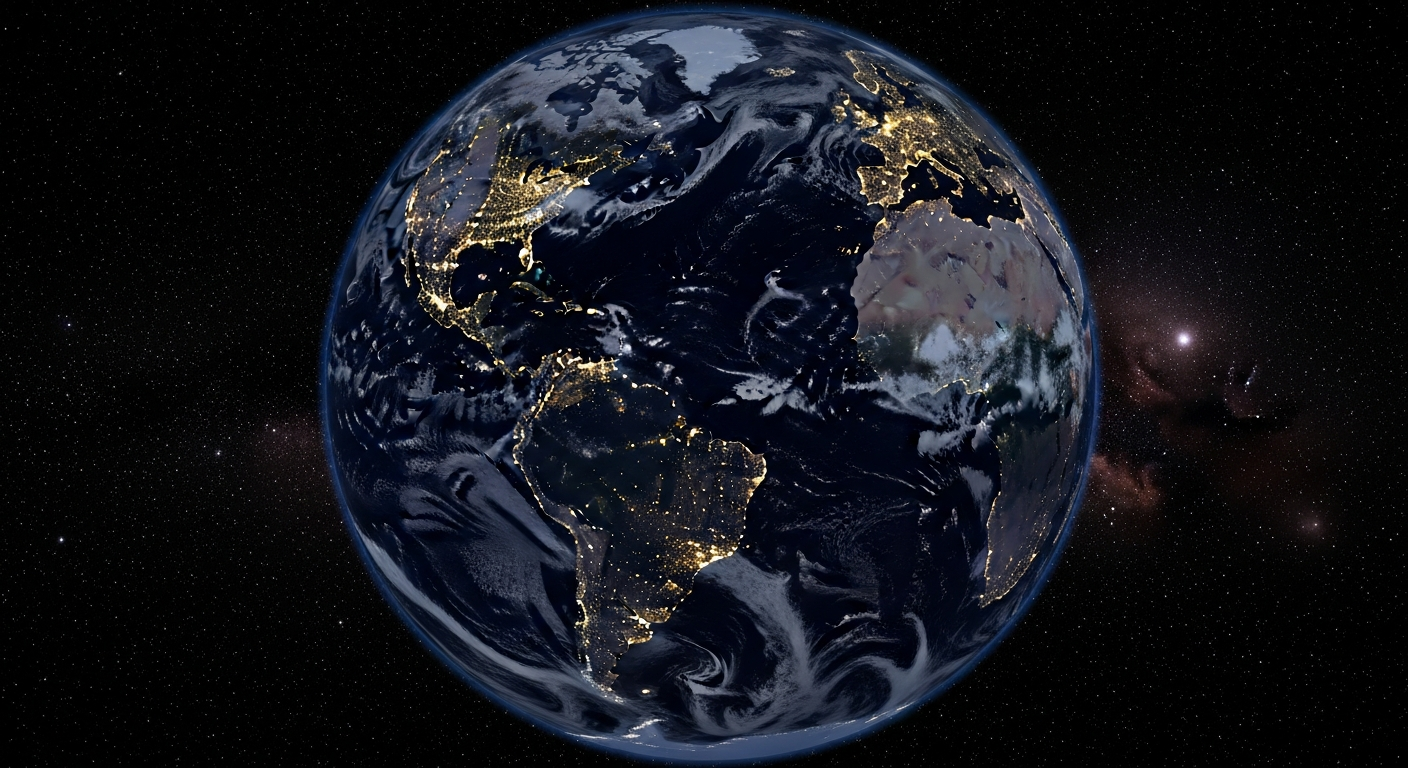
Have you ever wondered what Earth looks like from space at night? NASA city lights show a glowing planet filled with bright spots and lines. These lights come from cities, towns, and roads all over the world. NASA City Lights uses special satellites to capture these images. The views are amazing and help scientists learn about population, urban growth, and energy use. In this article, you will discover how NASA captures city lights, what these lights show about life on Earth, and why they are important for science and planning.
What Are NASA City Lights?
NASA city lights are images of Earth at night taken from space. Satellites use sensors that can detect even faint light. They capture the glow of cities, roads, and towns after sunset. Bright lines show highways and transportation networks connecting city centers. These images help scientists understand where people live and how cities expand over time.
How Satellites Capture Nighttime Earth
Satellites use tools that can detect low light, including city lights, gas flares, and auroras. Data is collected over multiple days and combined into clear, detailed images of Earth at night. This method allows scientists to observe Earth’s surface even when it is dark.
The Black Marble: A Stunning Global View
NASA scientists created the Black Marble map to show the Earth at night. It is the nighttime version of the famous Blue Marble image. The Black Marble combines hundreds of satellite passes to create a complete, high-resolution picture of city lights across the globe.
What NASA City Lights Tell Us
City lights reveal more than beauty. They show where people live, how big cities are, and how areas are connected. Bright lights usually mean large, active cities. Dark regions show lower population or less energy use. These insights are useful for urban planning and studying human activity.
Urban Growth and City Lights
By comparing city lights over time, scientists can track urban growth. More lights indicate new buildings, expanding towns, and growing populations. These images provide a visual record of how human settlements develop over years and decades.
Light Pollution and Its Impact
City lights also highlight light pollution. Artificial light brightens the night sky, making it harder to see stars. Observing NASA city lights helps scientists study how human activity affects the environment and natural night conditions.
How Astronauts Help Capture City Lights
Astronauts on the International Space Station also photograph Earth at night. Their photos show more details than satellites sometimes can. These images provide unique perspectives of cities, coastlines, and illuminated landscapes from low Earth orbit.
Real Examples of City Lights
NASA city lights show the patterns of human life. Large cities like New York and Tokyo glow brightly, while highways appear as connecting lines. Smaller towns and rural areas are dimmer. These images reveal how population, culture, and infrastructure influence night visibility.
Why NASA Studies City Lights
NASA studies city lights to understand energy use, population trends, and human impact on the Earth. The images also help with climate research, disaster management, and urban planning, offering scientists practical insights into the way people live and use resources.
FAQs About NASA City Lights
1. What does “NASA city lights” mean?
It refers to images of Earth at night showing bright spots from human settlements as seen by satellites.
2. How do satellites see lights at night?
They use special sensors capable of detecting faint light even when the Earth is dark.
3. Why are city lights important to science?
They help study population, energy use, and environmental changes caused by humans.
4. Can astronauts see city lights too?
Yes, astronauts on the ISS take night photos that add more detail than satellites alone.
5. Do city lights show how big a city is?
Typically, larger cities are brighter, showing areas of high population and activity.
6. Can city lights be used to study climate?
Yes, they help scientists understand urban heat, energy usage, and human impacts on the environment.
Conclusion
NASA city lights are a stunning way to see our planet after dark. They show where people live, how cities grow, and how human activity lights up the world. These images are not only beautiful but also essential tools for science, planning, and understanding our impact on Earth. Next time you see a nighttime photo of Earth, remember it tells a story about human life and the planet’s energy patterns.