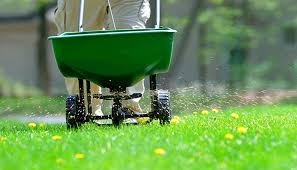
If you want a lawn that looks like a green carpet, weed and feed fertilizer can help. It is a product that kills weeds and Weed and Feed Fertilizer grass at the same time. Many homeowners love it because it saves time and makes the lawn look better fast. But it must be used correctly to avoid harming your grass or plants nearby.
In this guide, I will explain how weed and feed fertilizer works, when to apply it, and how to choose the best product. I will also share real tips and examples to help you get the best results.
What Is Weed and Feed Fertilizer
Weed and feed fertilizer is a mix of weed killer and plant food. It helps lawns grow thick while killing common weeds like dandelions, clover, and crabgrass. The weed killer targets the weeds, while the fertilizer provides nutrients to the grass.
Think of it as a “two-in-one” lawn helper. It is a convenient option for busy people who want a neat lawn without spending too much time.
How Does Weed and Feed Fertilizer Work
This fertilizer works in two ways:
- Weed Control
It contains chemicals that attack weeds and stop them from growing. - Lawn Feeding
It contains nutrients like nitrogen, phosphorus, and potassium. These help grass grow stronger and greener.
The best weed and feed products are designed to spread evenly so your lawn gets a balanced amount.
When Should You Apply Weed and Feed Fertilizer?
Timing is very important. The best time is:
- Early Spring (for crabgrass control)
- Late Spring or Early Summer (for broadleaf weeds)
- Early Fall (for strong root growth)
Avoid applying it when it is very hot or when rain is expected. This helps prevent burning your lawn and wasting the product.
Benefits of Using Weed and Feed Fertilizer
Here are the biggest advantages:
- Saves time
You don’t need separate weed control and fertilizer. - Better lawn health
It makes grass thicker and greener. - Weed reduction
It kills weeds and stops them from spreading. - Easy to use
Most products come in a spreader-friendly form.
Possible Risks and Side Effects
Even though it is helpful, weed and feed fertilizer can be risky if not used properly. Some risks include:
- Burning your lawn
- Harming nearby plants
- Polluting water sources
- Wrong timing can reduce effectiveness
Always follow the instructions on the label and avoid overuse
How to Choose the Best Weed and Feed Fertilizer
To choose the best product, look for:
- Slow-release fertilizer
- Safe for your grass type
- Weed control for your weed type
- Trusted brand
- Clear instructions
A good product will be effective and safe for your lawn and garden.
How to Apply Weed and Feed Fertilizer (Step-by-Step)
Here is a simple step-by-step guide:
- Mow your lawn
Cut the grass shorter than usual. - Water your lawn lightly
Moist soil helps absorption. - Spread the product evenly
Use a spreader for best results. - Avoid walking on the lawn
Let it settle for a few hours. - Water again after 24 hours
This helps the fertilizer soak into the soil.
Real Example: My Lawn Experience
Last year, my lawn had many dandelions. I used a weed and feed fertilizer in early spring. Within two weeks, the weeds started dying and the grass looked greener. The key was applying it at the right time and using the correct amount.
If you do it correctly, weed and feed fertilizer can change your lawn fast.
Common Mistakes to Avoid
Here are some common mistakes people make:
- Applying it on a hot day
- Using too much product
- Applying right before heavy rain
- Using it on newly seeded grass
- Not using a spreader
Avoiding these mistakes helps your lawn stay healthy and strong.
What to Do After Applying Weed and Feed Fertilizer
After applying it:
- Avoid mowing for 3–5 days
- Keep pets off the lawn for 24–48 hours
- Water lightly after 24 hours
- Monitor your lawn for any burning
This helps the fertilizer work properly and prevents damage.
Best Alternatives to Weed and Feed Fertilizer
If you prefer natural methods, here are alternatives:
- Corn gluten meal
- Manual weeding
- Natural weed killers
- Organic lawn fertilizers
These options are safer for the environment and pets.
FAQ
1. Is weed and feed fertilizer safe for pets?
It is safe if you follow the instructions and keep pets off the lawn for 24–48 hours.
2. Can I use weed and feed on new grass?
No. Avoid using it on newly seeded lawns because it can damage young grass.
3. How often should I use weed and feed fertilizer?
Usually 1–2 times per year, depending on weed problems and lawn health.
4. Will weed and feed kill all weeds?
It kills common broadleaf weeds and some grassy weeds, but not all types.
5. Can I water immediately after applying it?
Wait 24 hours before watering lightly.
6. What is the best time to apply weed and feed fertilizer?
Early spring or early fall is the best time.
Conclusion
Weed and feed fertilizer is a great tool for maintaining a healthy, green lawn. It saves time and helps fight weeds while feeding your grass. When used correctly, it can make your lawn look amazing. Just remember to follow the instructions, apply at the right time, and avoid common mistakes.
If you want, I can also help you choose the best product for your lawn type and location. Just tell me your grass type and where you live!